Soft Washing Chemicals in Woodbridge, VA: Are They Safe for Pets, Plants, and Landscaping?
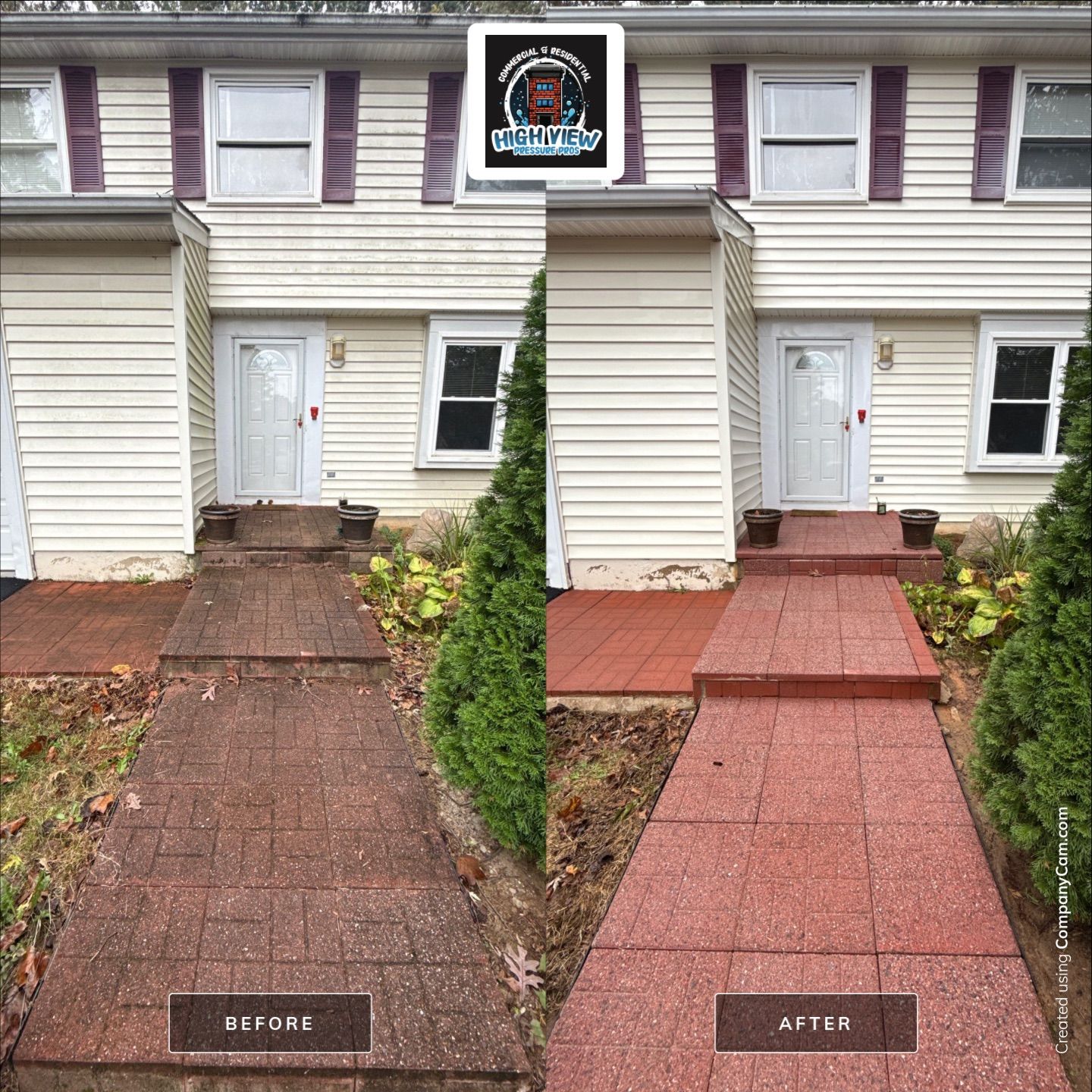
If you are planning house washing in Woodbridge, VA, you may wonder how soft washing chemicals affect your pets and landscaping. The short answer is that when trained pros follow proven protection and rinse steps, soft washing is a safe, siding‑friendly way to clean your home. At High View Pressure Pros, our gentle approach focuses on dwell time and thorough rinsing, not high pressure, so your siding looks fresh without stressing your shrubs or flower beds. For a deeper look at our process, see how our team handles house softwashing that protects surfaces and curb appeal.
What Is in a Professional Soft Wash Mix?
Soft washing relies on carefully measured cleaners that loosen organic growth like algae and mildew so the rinse can stay gentle. The most common active ingredient is a disinfecting agent designed to break down organic staining at its source. Pros pair it with surfactants that help the solution cling to siding and lift grime, which means less water pressure is needed to finish the job.
That balance matters in neighborhoods like Lake Ridge, Belmont Bay, and County Center where homes sit close together and landscaping is part of the look. The solution is applied with low pressure, allowed a controlled dwell time, then rinsed thoroughly with clean water so no residue lingers on siding, windows, or trim.
Are Soft Washing Chemicals Safe for Pets?
Used the right way, professional solutions are safe around family pets. Crews plan the work so pets are kept inside or in a closed area while the wash and rinse are underway. Walkways and steps are rinsed until they are clean and free of residue before pets go back outside. Most solutions break down quickly when diluted by a full post‑rinse.
Keep pets indoors until surfaces are dry and the team confirms the final rinse is complete. If you have bowls, toys, or bedding outside, let your crew know in advance so they can move or cover them before work begins. Clear communication helps everyone relax while the cleaning gets done.
How Pros Protect Plants and Landscaping
Thoughtful plant care starts before the first drop of cleaner reaches your home. A good crew treats landscaping like part of the project, especially in shaded yards near the Occoquan where hydrangeas, boxwoods, and perennial beds are common. Protection includes clean‑water rinsing, targeted shielding, and mindful application to prevent overspray.
- Cover or rinse delicate plants before and after cleaning so leaves are hydrated and less likely to absorb anything.
- Use light, controlled application on walls near garden beds, and avoid direct spray into foliage.
- Keep gutters and downspouts flowing so rinse water moves away from beds, not into them.
- Communicate about raised beds, newly planted shrubs, or sensitive ornamentals so the crew adds extra protection.
After rinsing, pros take a quick walk‑through to spot any leaves that need a final splash of water. High‑traffic beds along the front elevation usually get an extra pass, which is helpful in HOAs where entry landscaping is a focal point.
Bleach Mix Myths: What Homeowners Should Know
Many online posts talk about harsh “bleach mixes,” but that phrase often creates confusion. In professional house softwashing, cleaners are applied at siding‑safe strengths and are on the surface for a short, managed period. They are not left to sit, and they are always followed by a thorough fresh‑water rinse. That is a very different process than splashing strong chemicals on plants or hardscapes.
Another myth says that if a cleaner is “plant‑safe,” you can skip protection. That is not true. Plant safety comes from the whole process: pre‑wetting, controlled application, and complete rinsing. It also helps to understand which areas are most sensitive. For example, tender annuals and vegetable beds need extra shielding, and runoff should be steered away from fresh mulch rings.
Finally, some believe a pure‑water rinse right away will undo the clean. In reality, the timing is planned. Pros allow just enough dwell time to neutralize organic growth, then rinse so residue does not linger. With the Woodbridge climate’s humidity and shade, the goal is to stop growth at the source without leaving anything behind.
Rinse Procedures That Protect Your Property
Rinse control is where professional teams make the difference. The rinse should be even, measured, and thorough on every elevation, especially the north side where organic growth is strongest. Crews rinse top‑down so everything leaves the wall and does not settle back onto lower courses, trim, or window sills.
- Never let soft wash solutions pool in planting beds. Crews watch low spots at hose bibs, foundation vents, and mulch edges.
- Walkways, railings, and door thresholds get extra rinse time so hands and paws touch only clean, fresh water.
- Avoid spraying near ponds or fish habitats. Crews set safe boundaries and use rinse guards where needed.
- Final checks include touching siding and leaves to confirm a clean, residue‑free finish.
If your home also needs a roof refresh, ask about pairing your siding clean with roof washing. Coordinating the work keeps runoff predictable, protects beds once, and gives your whole exterior a consistent look for listing photos or spring gatherings.
Local Factors in Woodbridge, VA That Affect Safety
Our humid summers, spring pollen, and tree cover around Lake Ridge and Montclair create perfect conditions for algae and mildew. That makes a soft wash ideal, but it also means plant protection has to be built into every job. North‑facing sides and walls shaded by mature oaks often show the greenest staining, so pros plan the longest rinse times there. Along the Occoquan corridor, steady breezes can carry light overspray, so crews shield the leeward side of tender plants and keep the nozzle angle tight to the wall.
Driveways and walks can collect runoff from the front elevation, which is why teams finish with a fresh‑water pass on hardscapes. That last rinse helps leave your entryway spotless and pet friendly. If your sprinkler lines hit the same wall daily, let your crew know; it helps them set expectations and choose the best day for service.
When Should You Schedule House Softwashing in Woodbridge?
Most homes benefit from a professional soft wash every 12 to 24 months, with faster cycles on shaded or north‑facing sides. In Woodbridge, an early spring or post‑pollen clean sets your exterior up for summer, and a late summer service helps you head into fall bright and tidy. If you are preparing to sell, pairing siding care with a window clean sharpens photos and boosts curb appeal without risking surface damage.
If you are researching companies, look for clear plant‑protection steps, a gentle application plan, and a promise to rinse until the water runs clear. It also helps when a company knows our local neighborhoods and HOA expectations and can schedule around pets or school pickups.
For a quick overview of our approach and why it’s trusted by local homeowners, you can also learn about house washing in Woodbridge, VA on our home page. You will see how a low‑pressure method can restore color without risking gouges, streaks, or moisture intrusion.
Choose a Pro That Puts Safety First
Your home and landscaping deserve careful, consistent care. High View Pressure Pros follows a siding‑safe process that protects pets and plants, plans dwell time by exposure, and finishes with a clear‑water rinse on every surface. If you want a clean that looks great and respects your yard, our team is ready to help. Explore our step‑by‑step process for a safe, gentle clean on the house softwashing page, or call 703-397-7578 to talk with a specialist today.